The Perfect Partner Plants For Your Garden
The Perfect Partner Plants for Your Garden
Growing a successful vegetable garden takes more than just planting the right seeds in the right place. It also takes a little bit of planning, and that includes knowing which plants are good companions for each other. Companion planting is the practice of planting certain types of plants together for their mutual benefit. By planting compatible plants near each other, you can help to improve their growth, deter pests, and attract beneficial insects.
There are many different companion planting combinations that you can try, but here are a few of the most popular:
- Tomatoes and basil: Basil is a natural pest repellent that can help to keep aphids, spider mites, and other insects away from tomatoes. It also improves the flavor of tomatoes.
- Beans and corn: Beans fix nitrogen in the soil, which is beneficial for corn. Corn provides support for beans to climb.

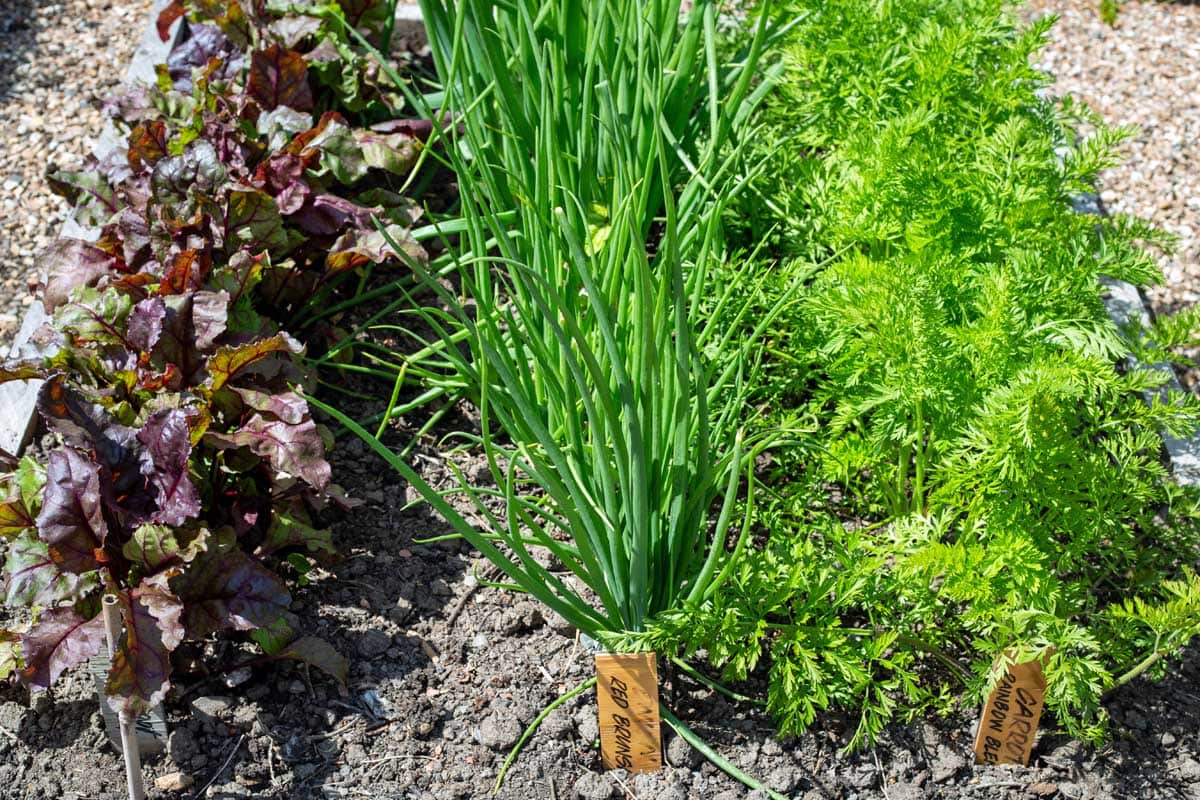
- Carrots and onions: The strong scents of carrots and onions can help to deter pests from each other.
- Cabbage and marigolds: Marigolds repel cabbage moths, which can be a major pest for cabbage plants.

- Peas and lettuce: Peas help to shade the soil around lettuce plants, which helps to keep lettuce cool and prevent it from bolting.

These are just a few of the many companion planting combinations that you can try. When choosing companion plants, it's important to consider the needs of each plant. For example, some plants need full sun, while others prefer partial shade. Some plants need a lot of water, while others are more drought-tolerant. By taking these factors into account, you can create a successful companion planting scheme that will benefit all of your plants.
In addition to deterring pests and improving growth, companion planting can also help to attract beneficial insects to your garden. Beneficial insects, such as ladybugs, lacewings, and parasitic wasps, help to control pests by preying on them. By planting flowers and herbs that attract beneficial insects, you can create a more balanced ecosystem in your garden and reduce your reliance on pesticides.
If you're new to companion planting, there are a few resources that can help you get started. There are many books and websites that offer companion planting charts and advice. You can also talk to other gardeners in your area to get their recommendations.
With a little planning, companion planting can be a simple and effective way to improve your vegetable garden. By planting the right plants together, you can help to boost their growth, deter pests, and attract beneficial insects. So next time you're planning your garden, don't forget to consider companion planting.
Partner planting is a gardening technique that involves planting certain plants together for mutual benefit. Some common partner plants include:
- Tomatoes and basil: Basil repels thrips and other insect pests that can damage tomatoes.
- Carrots and onions: Onions repel carrot flies, while carrots help aerate the soil around onion roots.
- Beans and corn: Beans fix nitrogen in the soil, which corn can use. Corn provides shade for beans, which helps them to stay cool and productive.
- Cucumbers and nasturtiums: Nasturtiums attract pests away from cucumbers.
- Sunflowers and squash: Sunflowers provide support for vining squash plants.
If you're interested in learning more about partner planting, I recommend visiting Gardenia Inspiration. This website has a comprehensive guide to companion planting, including a list of common partner plants and their benefits. You can also find tips on how to plant and care for your partner plants.
FAQ of partner plants
Q: What are partner plants?
A: Partner plants are two or more plants that are grown together because they benefit each other in some way. For example, one plant may provide shade for another plant that needs protection from the sun, or one plant may attract pollinators that help to pollinate the other plant.
Q: How do I choose partner plants?
A: There are a few things to consider when choosing partner plants. First, you need to think about the needs of each plant. What kind of sunlight do they need? How much water do they need? How much space do they need? Once you know the needs of each plant, you can start to look for plants that have complementary needs. For example, if you have a plant that needs full sun, you might want to plant it with a plant that prefers partial shade.
Q: What are some examples of partner plants?
A: There are many different examples of partner plants. Some common combinations include:
- Tomatoes and basil: Tomatoes benefit from the insect-repelling properties of basil, while basil enjoys the warmth and nutrients provided by the tomato plants.
- Marigolds and roses: Marigolds help to deter pests from roses, while roses provide support for the marigolds.
- Hostas and lilies: Hostas provide shade and moisture for lilies, while lilies help to attract pollinators to the hostas.
- Sage and lavender: Sage and lavender both attract pollinators and can help to repel pests.
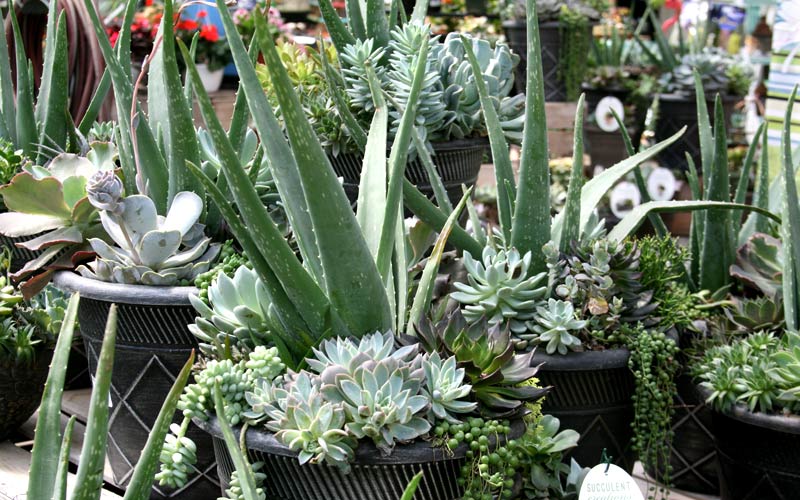
- Succulents and cacti: Succulents and cacti can be planted together in a pot or in the ground. They both require similar care and can help to add visual interest to your garden.
Q: How do I plant partner plants?
When planting partner plants, it is important to consider the size of the plants and how much space they need. You should also plant them in a location that receives the amount of sunlight that each plant needs. If you are planting them in a pot, make sure that the pot is large enough for both plants to grow.
Q: How do I care for partner plants?
The care requirements for partner plants will vary depending on the specific plants involved. However, some general tips for caring for partner plants include:
- Water them regularly, especially during hot, dry weather.
- Fertilize them according to the directions on the fertilizer label.
- Remove dead or diseased leaves.
- Protect them from pests and diseases.
Image of partner plants
5 different images of partner plants from Pinterest:
- ZZ plant and Snake plant. These two plants are both low-maintenance and can tolerate low light conditions, making them perfect for indoor plant pairings. The ZZ plant's dark green leaves provide a striking contrast to the Snake plant's striped leaves.
- Philodendron and Pothos. These two vining plants are both easy to care for and can be trained to climb a trellis or moss pole. The Philodendron's large, heart-shaped leaves provide a lush backdrop for the Pothos's trailing vines.

- Aloe Vera and Succulents. These two plants are both drought-tolerant and can thrive in dry conditions. The Aloe Vera's sharp leaves provide a contrast to the smooth, round leaves of the succulents.
- Peperomia and Maranta. These two plants have different leaf shapes and colors, which can create a visually interesting display. The Peperomia's small, round leaves are a deep green, while the Maranta's leaves are oval-shaped and have a red underside.

- Fiddle-Leaf Fig and Rubber Plant. These two plants are both large and can grow quite tall, making them a good choice for taller spaces. The Fiddle-Leaf Fig's glossy leaves provide a pop of color, while the Rubber Plant's leaves are a deep green.


Post a Comment for "The Perfect Partner Plants For Your Garden"